

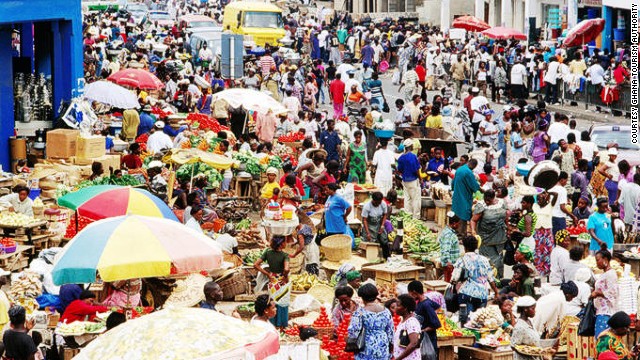
Title: Navigating Ghana’s Evolving Business Landscape: Strategies for Growth in 2026
|
Listen to this article
Getting your Trinity Audio player ready...
|
Editor: Solomon Kwabena Nana-Ansah – Paaps –
Ghana’s business environment continues to present a dynamic mix of opportunities and challenges, as enterprises adapt to economic shifts, digital transformation, and changing consumer behavior. For businesses aiming to remain competitive and sustainable in 2026, strategic innovation, financial discipline, and market responsiveness have become more critical than ever.
Across key sectors—including agriculture, manufacturing, technology, and services—companies are being urged to rethink traditional models and embrace forward-looking approaches. The rise of digital platforms, in particular, has transformed how businesses engage customers, manage operations, and scale their offerings. From mobile commerce to data-driven decision-making, technology is no longer optional but a necessity for growth.
Financial management remains a central pillar for business survival. With inflationary pressures and currency fluctuations impacting operational costs, enterprises must adopt prudent budgeting practices, diversify revenue streams, and explore alternative financing options. Access to funding, especially for small and medium-sized enterprises (SMEs), continues to be a concern, making financial literacy and strategic partnerships essential.
Equally important is the need for businesses to invest in human capital.
Do you want the best Odds? Click Here
A skilled and adaptable workforce can drive productivity and innovation, positioning companies to respond effectively to market demands. Training, upskilling, and fostering a culture of continuous learning are key to maintaining a competitive edge.
Sustainability has also emerged as a defining factor in modern business strategy. Consumers and stakeholders are increasingly prioritizing environmentally responsible and socially conscious brands. Companies that integrate sustainable practices into their operations—not merely as a compliance measure but as a core value—stand to gain long-term trust and loyalty.
Furthermore, regulatory compliance and stakeholder engagement remain crucial. Businesses must stay informed about policy changes, tax regulations, and industry standards to avoid penalties and build credibility. Constructive engagement with government institutions and industry bodies can also provide valuable insights and support.
As Ghana positions itself as a hub for investment and innovation in West Africa, the role of entrepreneurship cannot be overstated. Startups and emerging enterprises are driving job creation and economic diversification, contributing significantly to national development.
In conclusion, success in Ghana’s business landscape in 2026 will depend on adaptability, resilience, and strategic foresight. Enterprises that leverage technology, strengthen financial management, invest in people, and commit to sustainability will be better placed to navigate uncertainties and seize emerging opportunities.